
Key takeaways
- Galvanic systems need no power and suit small, well-coated structures in low-resistance soil.
- Impressed current systems use a rectifier and can protect long or poorly coated assets.
- Soil resistivity, current demand and interference risk usually decide the design.
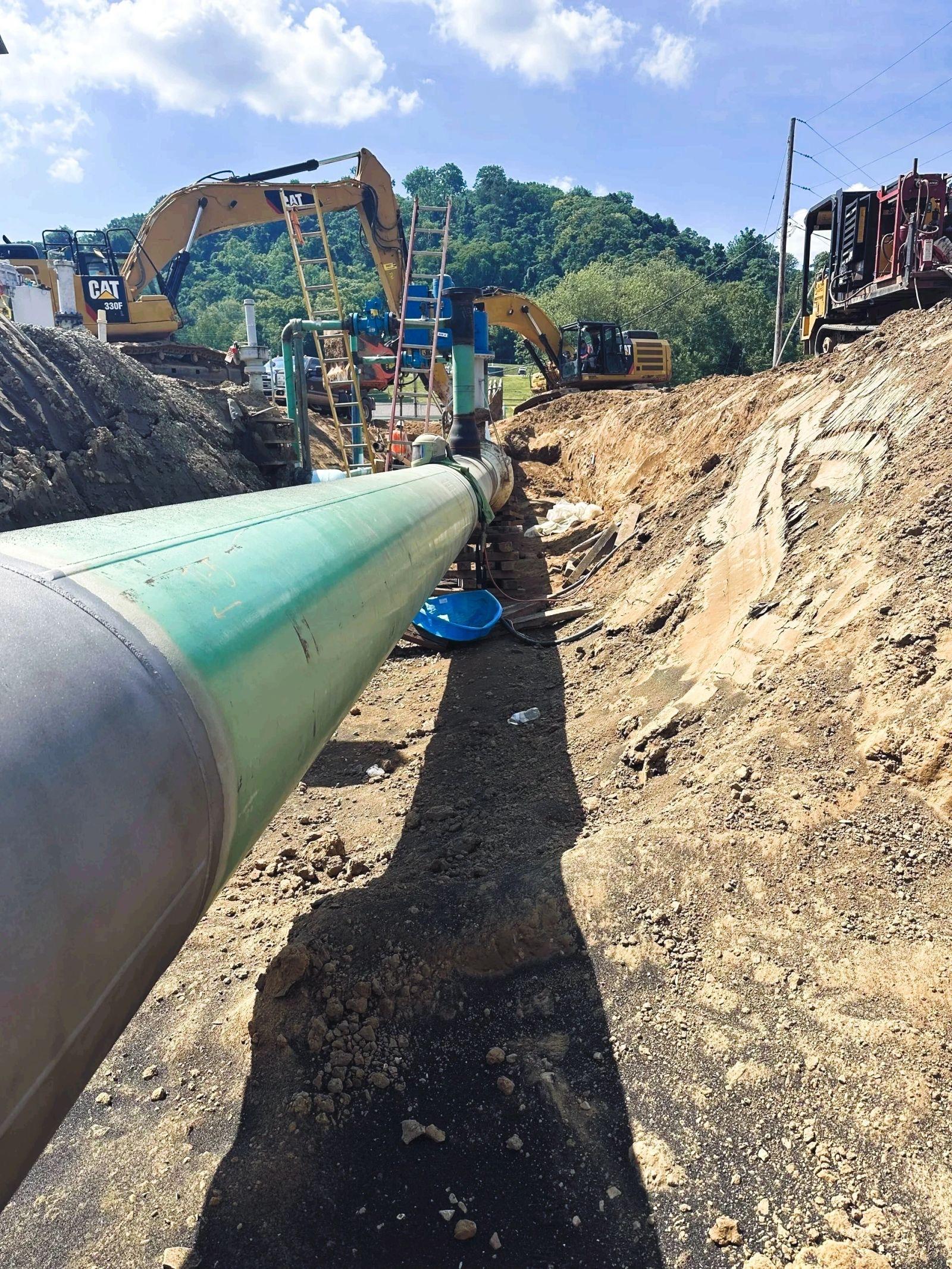
Cathodic protection stops external corrosion by making the structure the cathode of an electrochemical cell. Current has to flow from an anode, through the soil, onto the steel. The question is where that current comes from.
Galvanic (sacrificial) systems
A galvanic system connects the structure to a more active metal, usually magnesium or zinc. The anode corrodes instead of the steel, and the natural voltage difference drives the current. No power supply, no rectifier, very little to maintain.
- Best for: short sections, tanks, isolated fittings and well-coated new pipe.
- Strengths: no power needed, low interference risk, simple to install.
- Limits: low driving voltage, so output drops in high-resistance soil, and anodes are consumed over time.
Impressed current (ICCP) systems
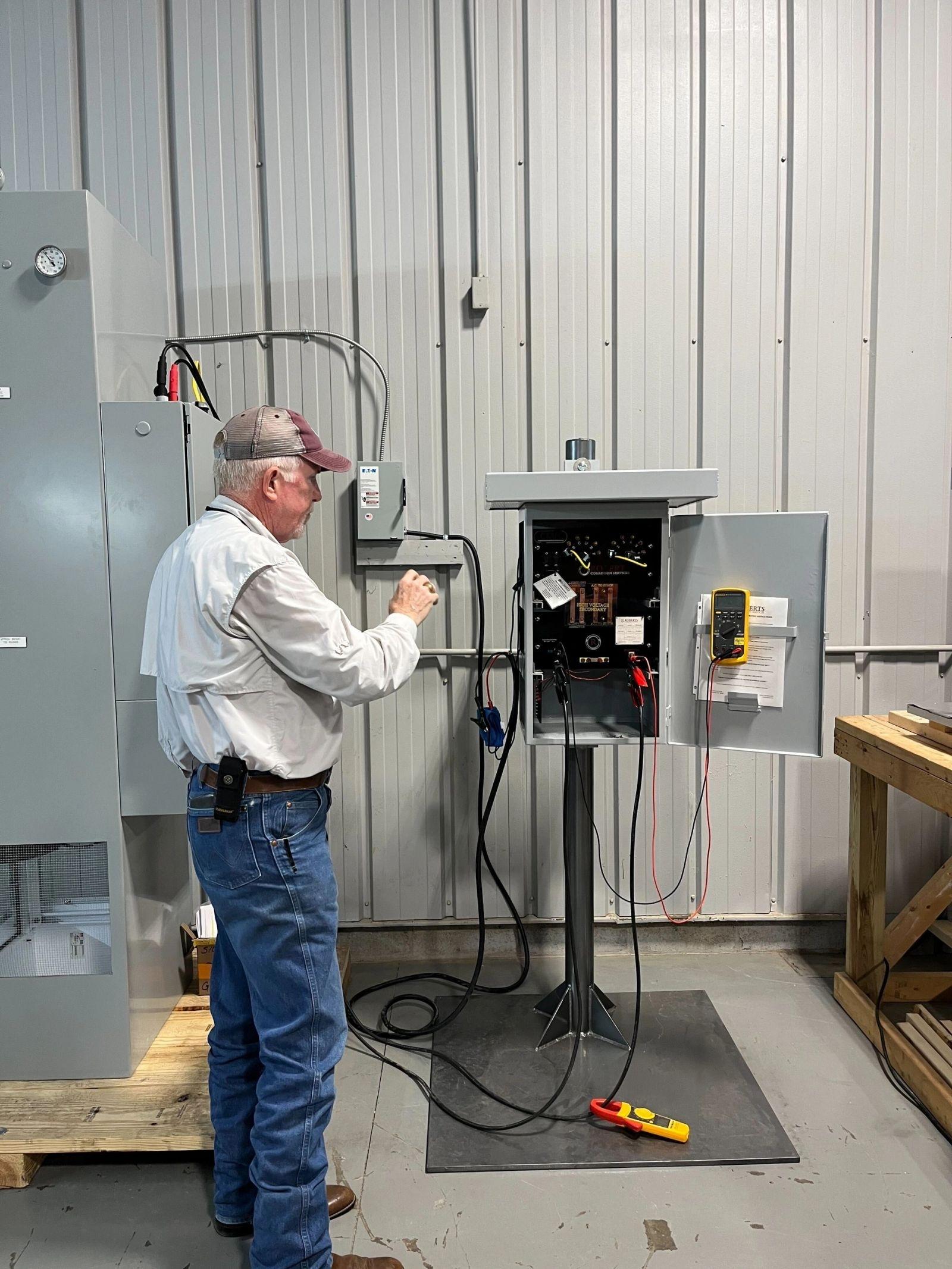
An impressed current system uses a rectifier to turn AC power into DC and push current from long-life anodes into the ground. Output is adjustable, so one ground bed can protect miles of pipe or a large station.
- Best for: long pipelines, large structures, older or poorly coated assets and high current demand.
- Strengths: high, adjustable output and long anode life.
- Limits: needs power and regular inspection, and poorly placed ground beds can cause interference on nearby structures.
Side by side
| Galvanic | Impressed current | |
|---|---|---|
| Power source | None (anode metal) | Rectifier on AC power |
| Driving voltage | Low, fixed | High, adjustable |
| Typical use | Small or well-coated assets | Long lines, large or bare structures |
| Soil resistivity | Low to moderate | Any, including high |
| Maintenance | Periodic potential checks | Rectifier inspections plus potentials |
| Interference risk | Low | Needs to be designed for |
When a deep well ground bed makes sense
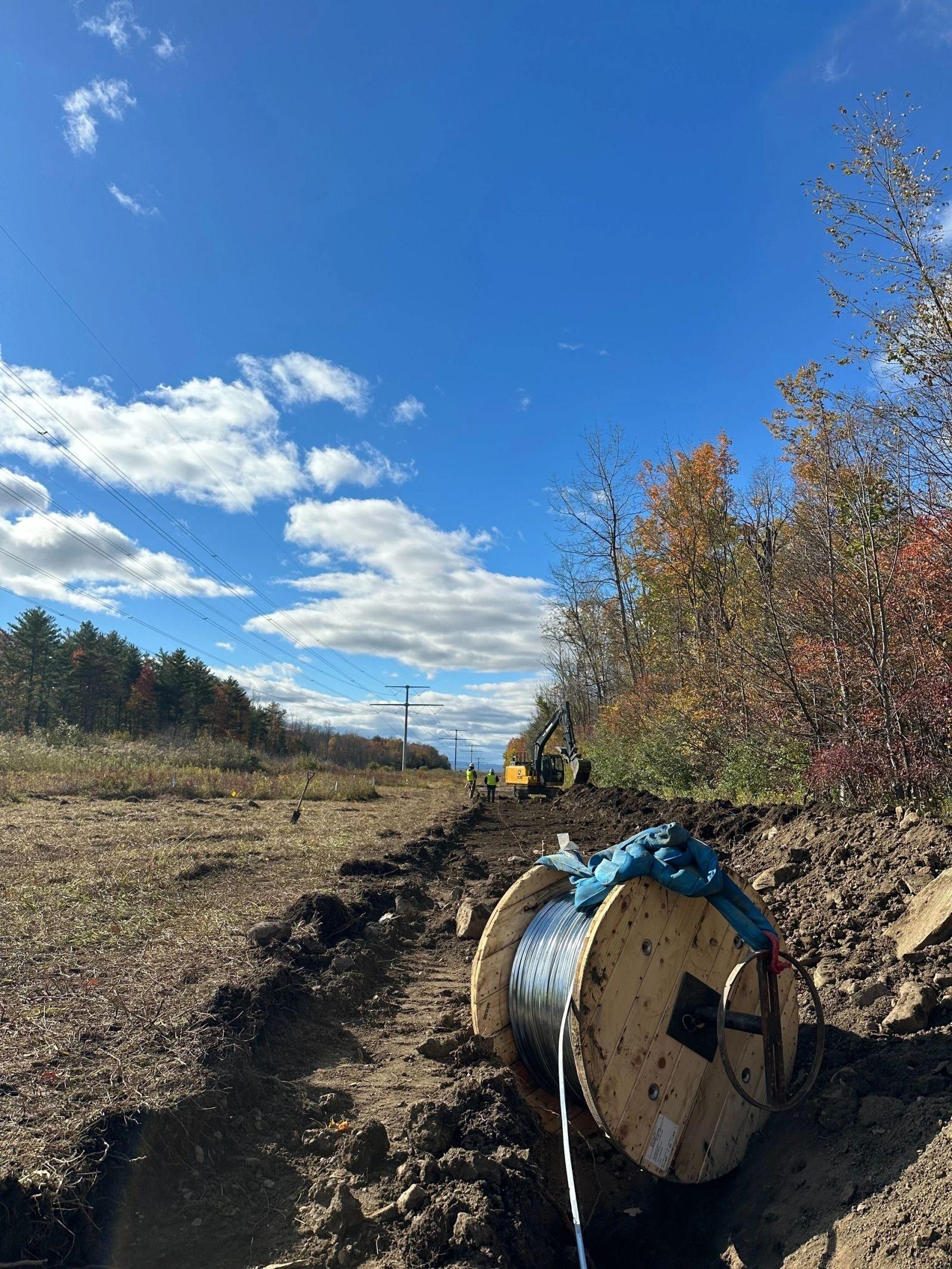
Surface ground beds need room and decent soil. Where the right of way is tight, surface soil is rocky or resistive, or there are foreign structures nearby, a deep well anode bed places the anodes vertically far below grade. RCS designs and installs them end to end: drilling, casing, venting, backfilling, wiring and energization.
Related service
Construction Services
Turnkey CP installation, deep well anode beds, verification digs, recoating and excavation.